The Art of the Outerwear Investment: Caring for Your Moncler, Canada Goose, and Mackage
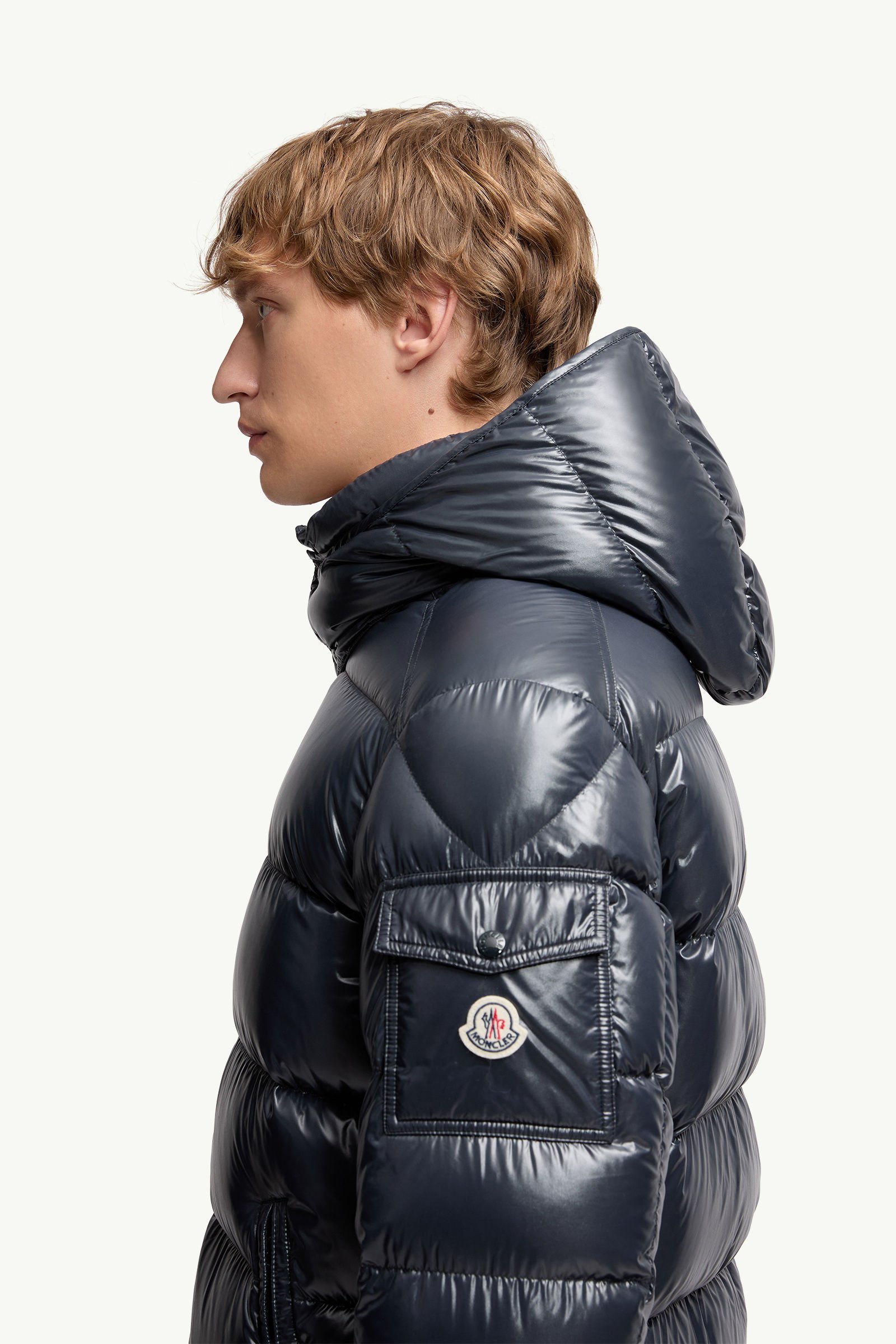
When you invest in a piece from Moncler, Canada Goose, or Mackage, you aren’t just buying a jacket—you’re acquiring a high-performance piece of engineering designed to withstand the elements while maintaining a silhouette of absolute luxury.
However, the very features that make these jackets iconic—the plush down fill, technical linings, and intricate trimmings—are also the most susceptible to damage if handled improperly. At Kingbridge, we treat these garments with the same reverence as a couture gown. Here is how to ensure your investment lasts for decades, not just seasons.
1. The Hardware: Zippers and Snaps
The heavy-duty zippers on a Canada Goose or the polished hardware on a Mackage are designed for durability, but they are magnets for grime and oxidation.
The Risk: Salt from NYC winters can corrode metal teeth, leading to sticking or "zipper creep."
The Care: Periodically wipe down metal zippers with a soft, damp cloth to remove salt residue. Never force a stuck zipper; this can warp the teeth or tear the delicate surrounding fabric.
2. The Interior: Linings and "Toes to Nose" Hygiene
The lining of a Moncler is often as delicate as the exterior is tough. Because these jackets are worn close to the body, the interior collar and cuffs absorb oils, perfumes, and perspiration.
The Risk: Over time, body oils can break down the integrity of the technical fabrics and the down-proof membranes, causing the jacket to lose its "loft" or fluffiness.
The Care: Between professional cleanings, spot-clean the inner collar with a specialized, pH-neutral solution. Avoid using harsh household detergents, which can strip the natural oils from the down feathers inside.
3. Ornamental Trimming and Logos
Whether it’s the iconic felted Moncler patch, the Mackage leather trim, or the Canada Goose Arctic Program disc, these logos are the "signature" of your garment.
The Risk: High-heat drying or aggressive agitation can cause leather trim to crack, patches to bleed color, or embroidery to fray.
The Care: Keep these areas dry. If your jacket gets caught in a heavy sleet or rain, hang it on a wide, contoured hanger in a room with good airflow. Never place it near a direct heat source like a radiator, which can shrink the leather trim and damage the adhesive on logos.
The Golden Rule: Consult the Care Label
Every luxury jacket comes with a roadmap for its survival: the care label. Whether it specifies "Dry Clean Only" or suggests a specialized laundering process, these instructions are non-negotiable.
However, even with a label, home machines are often the enemy of luxury outerwear. Standard agitators can "clump" the down, and home dryers often don't reach the precise temperature needed to reactivate the Durable Water Repellent (DWR) coating without scorching the fabric.
Why Professional Care is Essential
In most cases, a professional cleaner should be consulted at least once per season—or immediately if you experience a significant spill.
At Kingbridge, we specialize in the "Wide-Spectrum" cleaning required for these brands. We understand the chemistry of removing a city-grime stain from a Mackage sleeve without compromising the leather piping, and we have the "Air Steam" technology to ensure your down is returned to its original, pillowy glory.
Pro Tip: When storing your jacket for the summer, never use plastic garment bags. Natural fibers need to breathe. Use a breathable cotton cover to prevent moisture buildup and yellowing.
The Quick Care Checklist
Pro Tip: Print this out or save it to your phone to keep your outerwear in peak condition between professional cleanings.
[ ] The 24-Hour Rule: If you get caught in rain or sleet, hang your jacket immediately on a wide, contoured hanger. Never leave it crumpled or in a bag while damp.
[ ] Check the "Teeth": Periodically wipe down zippers and snaps with a soft, dry cloth. This prevents salt and grit from scratching the metal or snagging the fabric.
[ ] Hands Off the Heat: Never place your jacket near a radiator or use a hairdryer to spot-dry a patch. High heat can melt technical linings and "cook" the natural oils in the down.
[ ] Spot Check the Lining: Keep an eye on the interior collar and cuffs. If you see darkening from makeup or skin oils, it’s time for a professional cleaning before the oils set and damage the fabric.
[ ] Respect the Patch: Be extra careful with embroidered or felted logos. If they become soiled, do not scrub them; take them to a specialist to avoid fraying the delicate threads.
[ ] Let it Breathe: When the season ends, skip the plastic dry-cleaning bags. Use a breathable cotton garment bag to prevent moisture trap and "musty" odors.
[ ] When in Doubt, Consult the Label: If the tag says "Dry Clean Only," listen to it. Luxury outerwear has complex internal structures that home machines can easily destroy.