Bridal Gown Preservation: What to Know Before and After Your Wedding
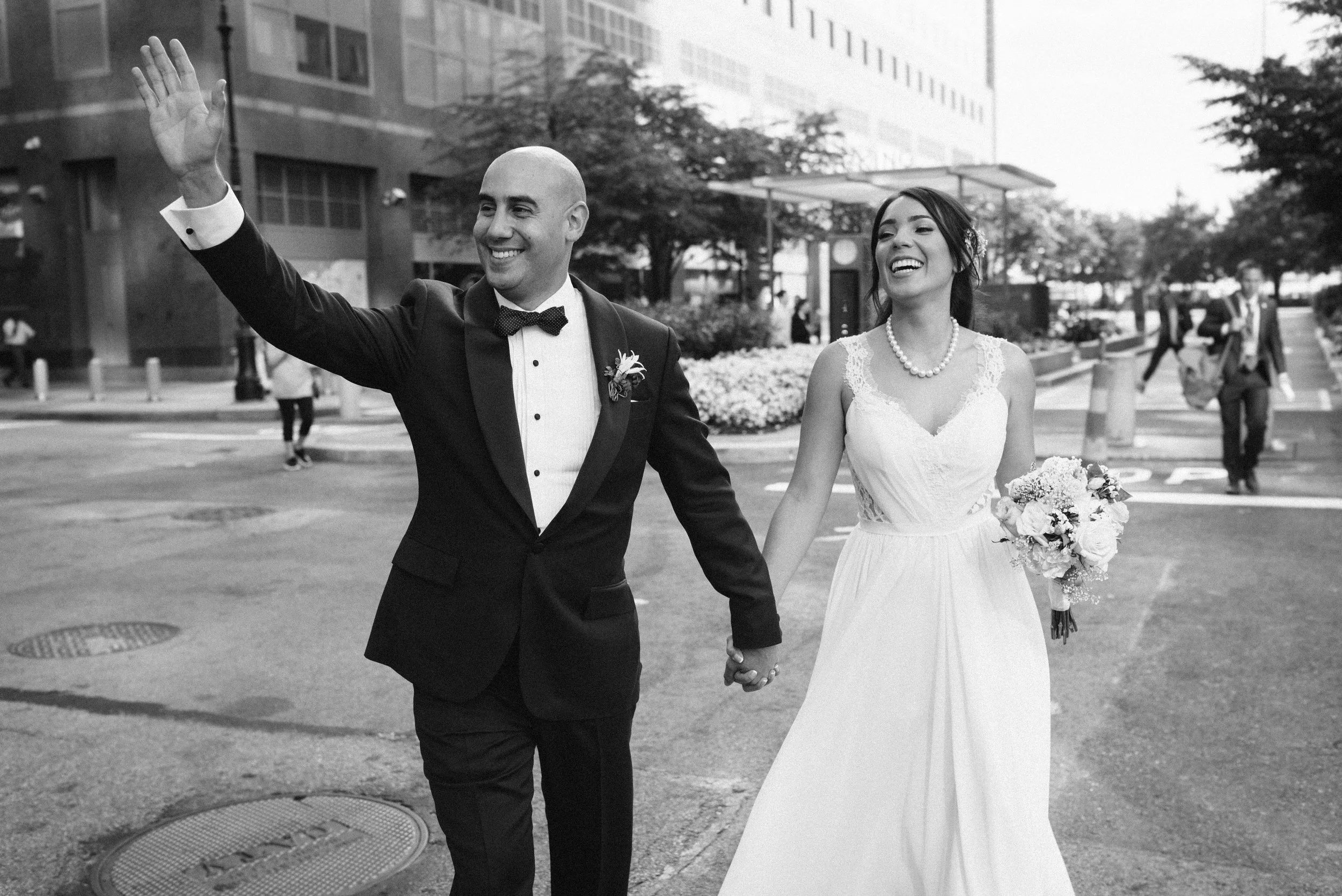
Yes, that’s Melissa & Richard on their wedding day.
Your wedding gown is likely the most emotional and significant garment you will ever own. It is a masterpiece of lace, silk, and memory. However, the journey to "happily ever after" for your dress requires more than just a sturdy hanger. At Kingbridge, where we have handled couture bridal wear for over 50 years, we know that true preservation begins long before you walk down the aisle and continues long after the last dance.
Here is your guide to ensuring your gown remains as breathtaking for the next generation as it was on your wedding day.
Before the Wedding: The Foundation of Fit
1. The Tailoring Timeline Expert alterations are the secret to a stress-free day. We recommend starting your fittings 4–6 weeks in advance. This allows our industry-leading tailors to meticulously adjust the silhouette while preserving the integrity of the designer’s original beadwork and lace.
2. The "Pre-Wedding" Clean Many brides don’t realize that "new" gowns from boutiques have often been tried on dozens of times. A professional steam and a "freshening" clean ensure your gown is crisp and pristine for its debut.
3. Choosing Your Specialist Not all dry cleaners are created equal. Ensure your cleaner has a dedicated bridal team. At Kingbridge, our specialists provide undivided attention to every bead and bustle, ensuring your gown is "runway ready" for your walk down the aisle.
During the Wedding: Managing the Unexpected
1. The "Invisible" Danger Champagne, white wine, and soda spills are the silent enemies of bridal silk. While they may look clear when they dry, the sugar in these liquids will caramelize over time, turning into dark brown, permanent stains if not treated properly.
2. The Hemline Reality If you are having an outdoor ceremony or a city reception, your hem will pick up dirt. Do not scrub it with a wet cloth. This often pushes the dirt deeper into the fibers or causes water rings. Trust the experts to handle the "toes to nose" cleaning afterward.
After the Wedding: The Preservation Process
1. The Timeline Matters Ideally, you should bring your gown to a specialist within weeks, not months, of the wedding. The longer a stain sits, the more it "sets" into the delicate fibers.
2. Museum-Quality Cleaning We use a "wide-spectrum" cleaning approach. This means we treat different parts of the gown—the delicate tulle, the heavy satin, and the intricate lace—with specific, gentle solutions. We also perform a meticulous "mark-in" to identify those invisible sugar stains before they become a problem.
3. The Preservation Box Standard cardboard or plastic bags are toxic to fine fabrics. Plastic traps moisture (leading to mildew), and regular cardboard contains acids that turn white silk yellow.
At Kingbridge, we use acid-free, pH-neutral Museum Quality archival boxes. Your gown is folded with acid-free tissue paper to prevent permanent creasing and then sealed in a climate-controlled environment that allows the fabric to "breathe" without being exposed to light or dust.
The Kingbridge Promise
Preserving a gown is an act of love. Whether it’s a modern Mackage-inspired bridal coat or a vintage family heirloom, we treat every stitch with the reverence it deserves. Our museum-quality preservation ensures that your family’s story—woven into the very fabric of your gown—is protected for generations to come.